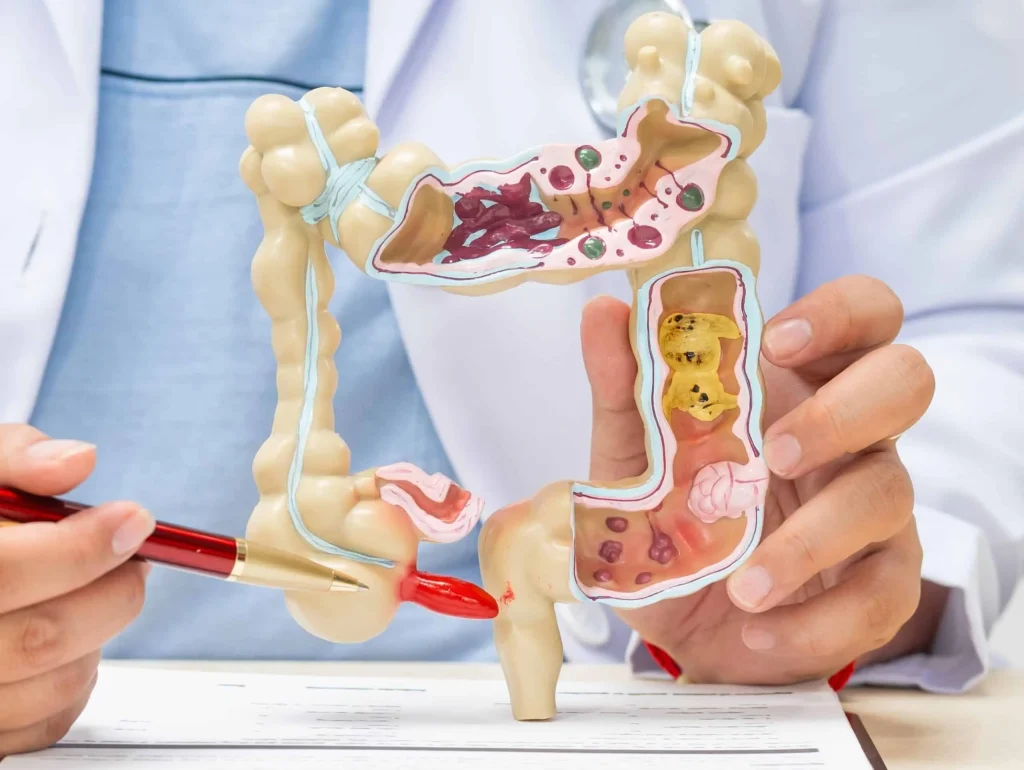
Abdominal pain is one of the most prevalent health issues that can happen for different reasons. It might be less severe or life-threatening, requiring immediate medical help. In certain cases, abdominal pain goes away without any treatment, but in other cases it is a symptom of a serious medical issue like appendicitis and needs appendix surgery.
Appendicitis can cause serious complications if not treated promptly. Recognizing the signs early can help you seek timely medical care and determine whether appendix surgery is needed. If you experience abdominal pain that begins near the navel and moves to the lower right side, along with nausea, vomiting, or fever, seek immediate medical assessment.
Dr. Muhammad Waseem Anwar has specialized in treating complex abdominal issues, including hidden cancers and lesions. The provision of advanced treatments and compassionate care is his specialty. Paying attention to what your body is saying and getting the right care can help you prevent medical emergencies.
Abdominal pain can be considered one of the most important symptoms of appendicitis. Pain usually starts in the region of the umbilicus and moves down to the lower part of the right side of the abdomen.
Initially, the pain will be vague and dull, but with time, it becomes sharp and localized at the place of the inflammation. It doesn't get better even when a person passes gas or moves bowels. Some patients may find it aggravated by any kind of physical activity, such as walking, coughing, sneezing, or deep breathing. Not everyone has pain in the same region of the abdomen because of the different positions of the appendix in different people.
Among the signs of appendicitis, one is a sudden loss of appetite. This is when a person with no reason feels less hungry or very full even after taking a very small meal. This may be accompanied by:
• Abdominal pain
• Nausea
• Generally feeling sick
Nausea or vomiting can also develop after the onset of pain in the abdominal area. Some may have nausea, while some may even have one episode or many episodes of vomiting.
This is something that can be confused with food poisoning or gastroenteritis, which is nothing more than a virus in the gastrointestinal tract of your body. If someone vomits along with increasing pain in the lower right side of the abdomen, then the problem could be appendicitis.
In general, there is a pattern of symptom development where patients have pain initially, and then they become nauseated or throw up. But this doesn’t apply in all cases. If patients have repeated vomiting, then they need medical attention immediately.
Low fever could be caused by the body's immune response to inflammation. Chills, sweating, and weakness are also symptoms that some patients experience. Mild fever along with abdominal pain, nausea, or poor appetite increases the likelihood of having appendicitis.
High fever, shaking chills, severe abdominal pain, or quickly worsening symptoms may suggest a more severe condition. But one could suffer from appendicitis even without a fever, especially in its early stages. Don't wait until you get a fever if you have other symptoms.
Appendicitis can cause problems with the proper functioning of the bowels. Common digestive issues include:
• Constipation
• Diarrhea
• Bloating
• Problems releasing gas from the body
Pain while defecating
These symptoms are vague and common with various digestive disorders. The occurrence of su
Inflammation may cause abdominal tenderness, bloating, and discomfort. Many people experience a feeling of tightness in the abdomen and pain from even normal body movements. Severe tenderness, hardening of the abdomen, or excessive bloating may point to a worse condition, especially if the appendix has burst or infection has spread to the other organs.
Don’t keep on pushing the area to check tenderness. You will not be able to detect appendicitis yourself at home.
Appendicitis doesn’t always present in the same manner, especially in certain populations.

Young children may find it hard to describe their pain location. They usually appear irritable, stop eating, vomit, have a fever, or fail to walk due to pain. Parents need to seek timely evaluation when a child has persistent or worsening abdominal pain.

Some older adults may have less severe pain or fewer symptoms. Symptoms such as new abdominal pain, confusion, weakness, and loss of functionality suggest a serious condition, and the patient should get evaluated immediately.

Pregnancy may alter the positioning of organs in the abdomen, and therefore, the symptoms of appendicitis may occur in a different area.

Your doctor conducts an examination for pain, tenderness, swelling, and abdominal muscle stiffness.

An increased number of white blood cells and other indicators of inflammation can be found during these tests.

These help to detect a UTI or kidney stones, which have similar symptoms.

An ultrasound, CT, and MRI can be used to examine the inflamed appendix.

A pregnancy test may be conducted if required.
The treatment is based on the extent of the condition and the general state of health of the individual. Most times, surgical removal of the appendix through what is known as appendectomy is the treatment.
It could either be via a laparoscopic appendix surgery, where small cuts and a camera are used, or through a large cut when the need arises. Use of antibiotics in treating the disease is quite common, and certain cases of uncomplicated appendicitis can be treated only by the use of antibiotics.
In cases where there is perforation or where an abscess forms, treatment could either be through the use of antibiotics, draining of the infected fluids, or even both. Early treatment will help prevent any further complications and can ease recovery.
Knowing when it is time to get help is an important component of appendicitis identification.
You need to have a medical check-up as soon as possible if you have:
• Gradually worsening abdominal pain for several hours.
• Abdominal pain starting around your belly button area and transferring down into the right lower part of the abdomen.
• Constant abdominal pain together with nausea and/or vomiting.
• Abdominal pain along with fever or loss of appetite.
• Worsening pain during movement, coughing or walking.
• Unexplained abdominal pain not resolving or coming back after some period of time.
Appendicitis is a medical emergency because it is dangerous and needs urgent medical attention. One of the common signs of appendicitis is abdominal pain that usually starts from the belly button and extends to the right side below. Nausea, vomiting, anorexia, fever, bowel disturbance, and abdominal tenderness are other possible symptoms.
The symptoms can be different, so seeking the right medical guidance is the only way to receive the right treatment.
Dr. Muhammad Waseem Anwar brings more than 17 years of professional experience and a patient-centered approach to surgical care. As a laparoscopic surgeon in Lahore, he emphasizes timely diagnosis, careful medical assessment, and appropriate treatment to help reduce the risk of complications. When appendicitis requires surgery, appendix removal can be a life-saving procedure.